
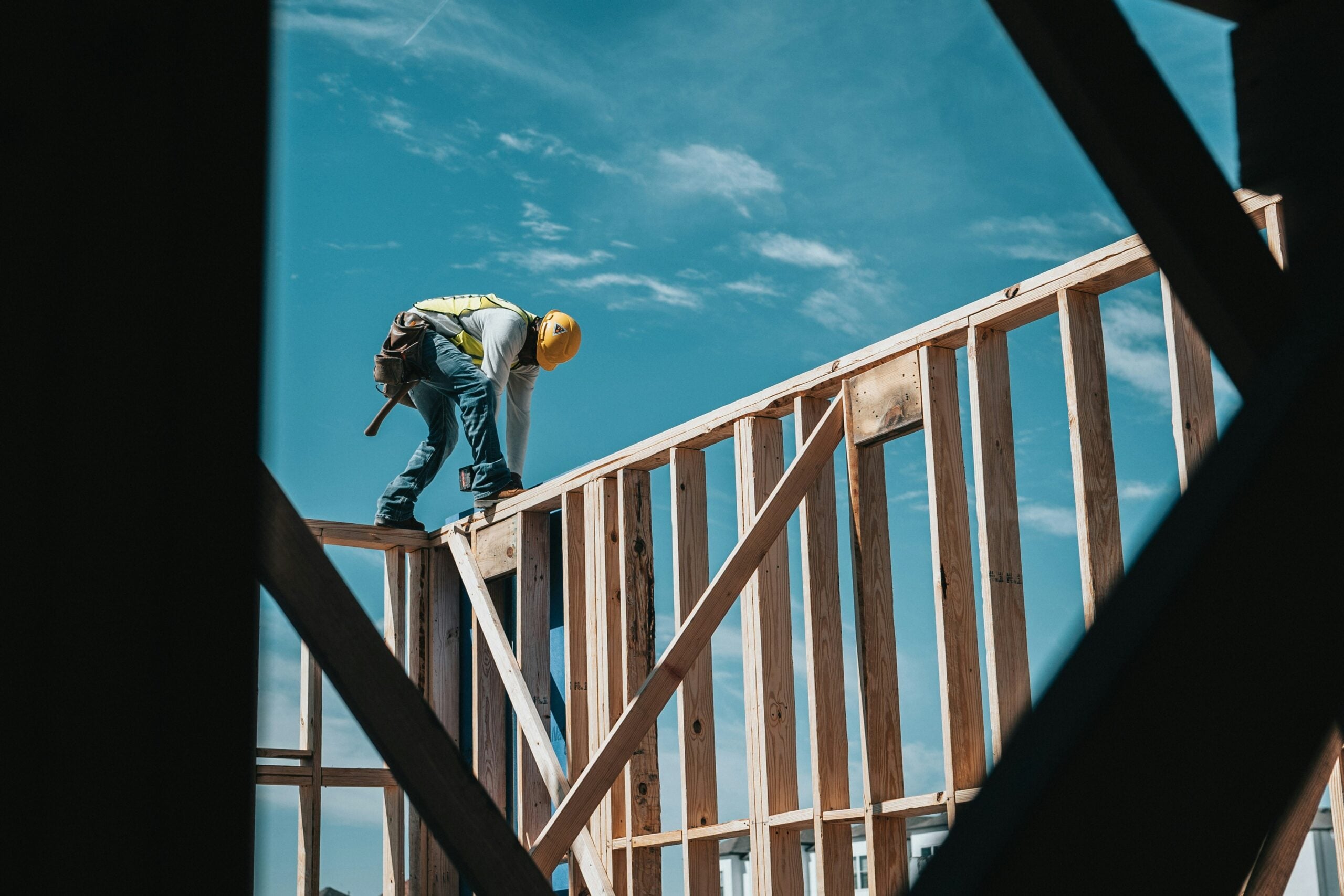
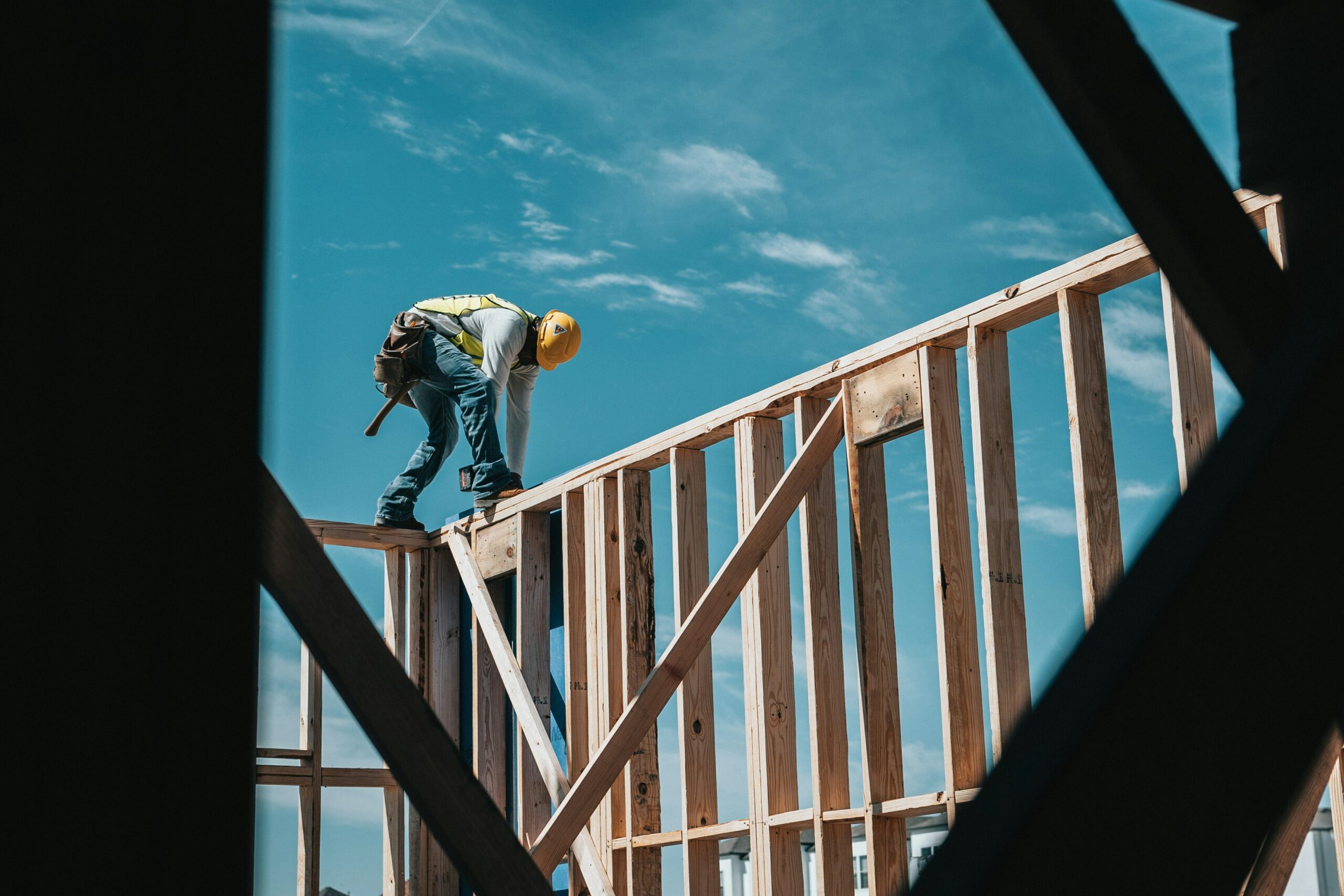
Banner image courtesy of Josh Olalde
Flipping houses remains one of the most rewarding — and risky — ways to build wealth through real estate. In 2025, changing market conditions, shifting buyer preferences, and rising material costs have forced would-be investors to approach flips with a smarter, more strategic mindset.
Whether you’re an experienced investor or tackling your first renovation, flipping a house successfully isn’t just about picking pretty tiles or painting everything white. It’s about making smart decisions that increase value, reduce risk, and maximize your return. Here’s how to flip a house the right way in today’s market.

Why House Flipping Still Makes Sense in 2025
Despite high interest rates and fluctuating property values, house flipping is far from dead. In fact, today’s market rewards investors who prioritize strategic improvements over flashy finishes.
Buyers in 2025 are more value-conscious, and local markets—like Seattle, Sacramento, and Austin—continue to show demand for move-in ready homes with updated infrastructure and strong curb appeal. Rather than rushing to buy and flip anything with four walls and a roof, the smart play is to focus on livable properties in desirable neighborhoods that need targeted upgrades.
Exterior appearance, roof quality, and layout improvements carry more weight than ever—especially when the market cools. If you can solve problems and create a safe, visually appealing home, you’ll attract strong buyers.
Before You Buy: Know the Math
Estimate All-In Costs
The first rule of flipping is simple: don’t buy unless you know your numbers.
You need to estimate the total cost of acquisition (purchase price, taxes, closing fees), renovation (materials, labor, permits), and holding (insurance, mortgage payments, utilities). Add in selling costs like staging and agent fees, and you’ve got your total investment.
Successful flippers use calculators or spreadsheets to forecast profit margins before making an offer. The golden rule? Leave enough margin for error. Surprises will happen.
Budget for “Non-Visible” Fixes First
It’s easy to overspend on quartz countertops and custom cabinets — and overlook the basics. But appraisers and inspectors look beyond surface-level beauty.
One of the most underestimated costs is roof work, yet it’s critical. A roof in poor condition can tank your sale or derail financing. To understand what to expect, check out this breakdown on Roof Repair to gauge the real cost before you purchase.
Renovations That Add Real ROI
Kitchens and Bathrooms: Focus on Finish, Not Flash
You don’t need a gourmet kitchen to make a sale — just a clean, cohesive one. Mid-range kitchen and bathroom updates often yield higher returns than ultra-luxury designs. Stick with neutral finishes, energy-efficient fixtures, and functional upgrades that will appeal to a wide range of buyers.
Flooring, Paint, and Layout
Refinishing hardwood floors, adding fresh coats of paint, and reconfiguring choppy layouts are all high-ROI moves. Avoid trendy choices that might date quickly or alienate potential buyers.
Exterior Upgrades That Sell a Home Fast
Curb appeal still closes deals—and in today’s market, buyers expect more than just fresh mulch and a coat of paint. Smart exterior upgrades like updated siding, modern landscaping, and polished pathways signal a well-maintained property. But one key detail often gets overlooked: the fence.
In outdoor-friendly cities like Seattle, a high-quality fence doesn’t just frame the yard—it adds privacy, safety, and visual polish that buyers notice immediately. Partnering with a reputable fence company Seattle ensures the installation matches both function and design, helping your property stand out in competitive neighborhoods.
Whether you’re flipping a single-family home or prepping a multi-unit rental, don’t underestimate how much a clean, secure perimeter can elevate your asking price—and speed up the sale.
Don’t Forget Permits, Inspections, and Regulations
Know What Needs Permitting
Skipping permits might seem like a shortcut, but it’s often a mistake. Major projects—like roof replacement, fencing, or electrical upgrades—usually require city permits. Unpermitted work can lead to fines, delays, or even forced deconstruction.
Schedule Inspections Strategically
Pre-purchase inspections can save you from buying a money pit. Post-renovation appraisals and code inspections are equally important if you want your flip to pass with flying colors.
Selling or Renting? Know Your Exit Strategy
Flipping for Resale vs. Holding for Rental
Not every renovated home needs to be sold right away. In some markets, holding the property as a short-term or long-term rental can provide passive income while the market improves.
If you’re selling, know your competition. If you’re renting, know your ideal tenant. Each strategy affects the finishes you choose and how you price the property.
Timing the Market (Without Trying to Time the Market)
Waiting for a “perfect” time to sell can lead to decision paralysis. The key is not to guess the market, but to understand your neighborhood’s trends and buyer activity. Work with local agents who know how to move your property quickly without underpricing.
Pro Tips from Experienced Flippers
- “Always plan for a 10–15% overage on your renovation budget. It’s not pessimistic—it’s realistic.”
- “Build relationships with local contractors, suppliers, and permit offices. Those connections are worth more than any design software.”
- “Don’t just fix what’s broken. Fix what buyers will notice first.”
Conclusion: Flip With Strategy, Not Emotion
Flipping a house isn’t about luck. It’s about calculated moves, reliable contractors, and an understanding of what buyers truly want. Start with the numbers, prioritize foundational repairs, and invest in high-impact upgrades like fencing, roofing, and clean design.
Whether you’re on your first project or your fiftieth, success in 2025 comes down to smart decisions made early and often. With the right partners and a strong plan, flipping houses can still be one of the most rewarding ventures in real estate.